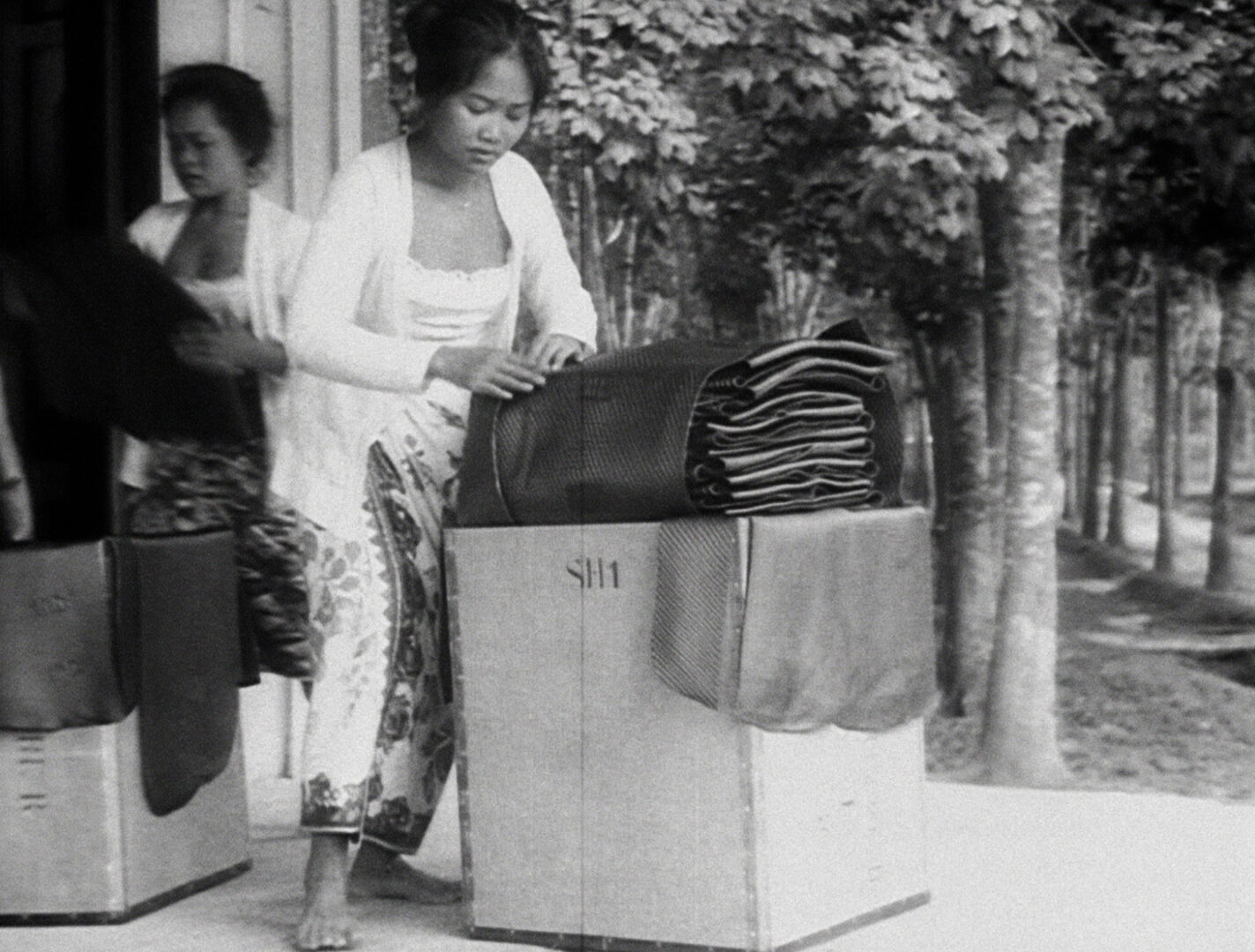
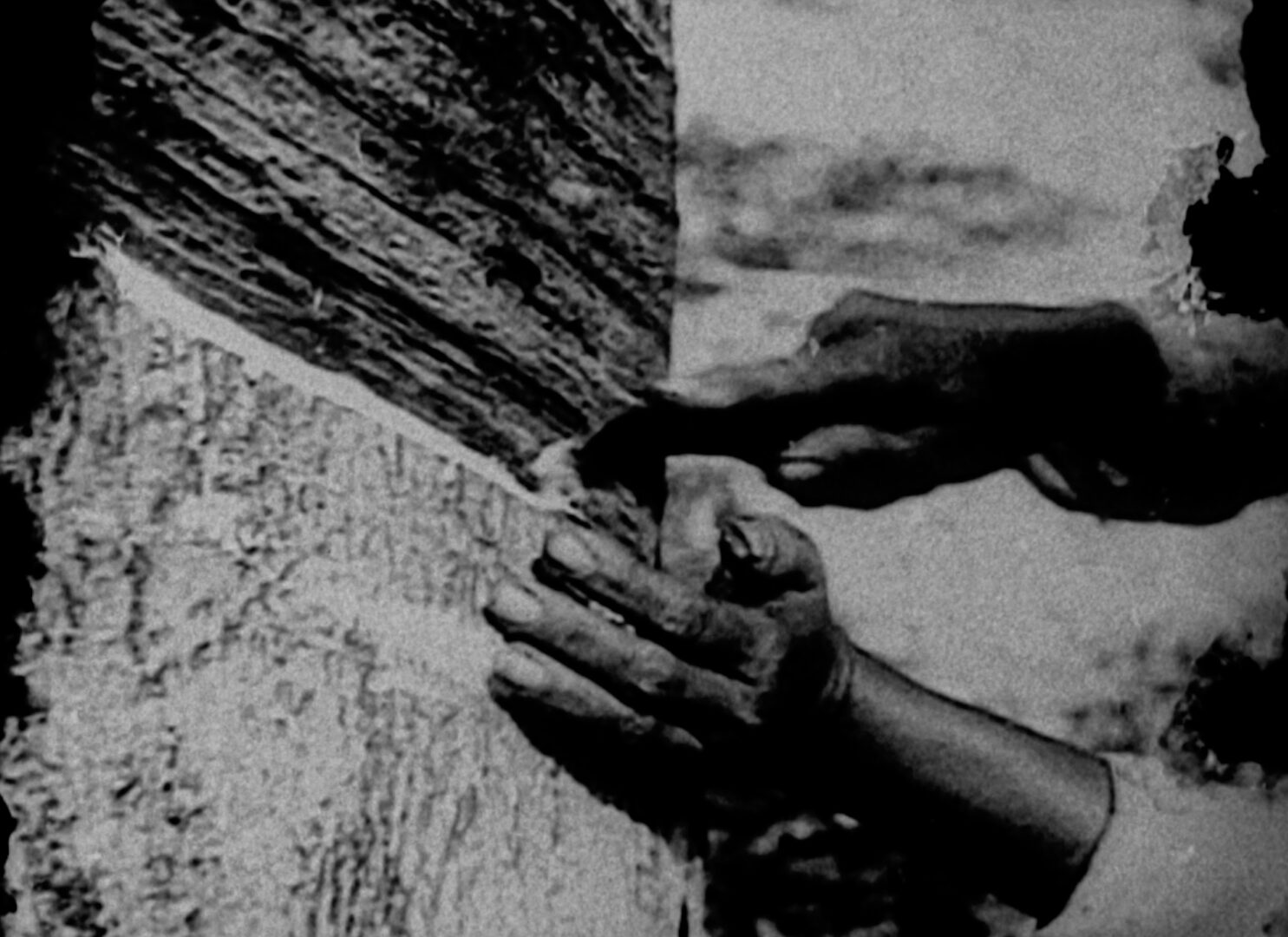
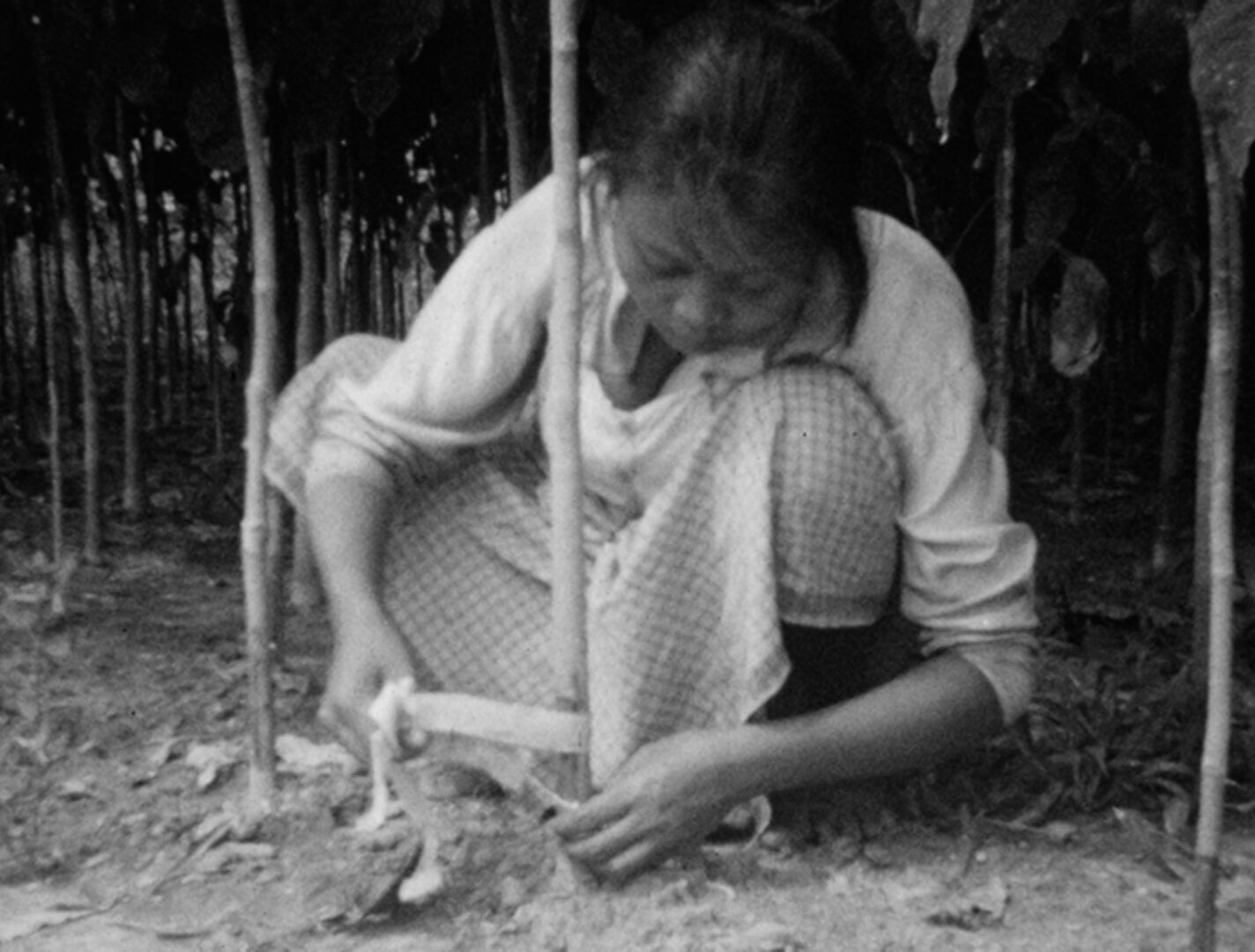
In the early 20th century Dutch colonial force turned Sumatran rainforest into vast rubber plantations. Men flocked from The Netherlands to the island to rule over contract workers under conditions akin to slavery. The open secret of women’s sexual indenture became a pilar of their machinery. A racial paradox hidden behind closed doors produced an unruly silence across generations. Attuned to ghosts of the unseen found and new footage embody the complex layers of recognition and resistance.
Country
Netherlands, IndonesiaYear
2026Length
89'
Category
DocumentaryPremiere
Italian
Screenplay
Sabine GroenewegenCinematography
Sabine Groenewegen, Juan Palacios, Jimged SendyEditing
Diana ToucedoMusic
Malu PeetersSound
Malu PeetersProduction
Manon Bovenkerk (near/by film), Sabine GroenewegenDistribution
María Vera (Kino Rebelde)Synopsis
Biography
Sabine Groenewegen (1985, The Hague) is a filmmaker, visual artist, and researcher. Her debut film “Odyssey” (2018)—a science fiction found footage film exploring whiteness and national imaginaries shaped by racial capitalism—premiered at Doclisboa and won the Doc Alliance Award. “Remanence” (2024) a short film about a forgotten 1930’s women’s antifascist movement premiered at Cinéma du Réel. Her work has been exhibited at institutions such as ICA, Bozar and EYE Filmmuseum.
Statement
I grew up in a Dutch provincial town continually shocked by the normalized hostility towards those deemed different. My first film was a sci-fi documentary of found footage, driven by the need to understand whiteness in the context of historical racial capitalism. By then, I discovered a photograph of my great-grandmother Helena. While my mother had no notion of this, her face to me clearly revealed Javanese features. Helena’s absence felt active, as if she demanded to be seen. She led me to other omissions and the untold story of Asian women on Dutch colonial rubber plantations. Here, a hidden slavery went on until the 1940’s masked by euphemism and carefully designed propaganda. In my attempt to understand what really took place, I embarked on a research through declassified colonial documents, fragile traces of protest and resistance, and through the affected landscape.
— Sabine Groenewegen
Archival materials
Collection Eye Filmmuseum
Netherlands Institute for Sound & Vision
Groninger Archieven
Prelinger Archive.