Az Zeeb
Competition                  

Az Zeeb

Rafael Guendelman

Country

Chile, Qatar

Year

2026

Length

86'

Category

Documentary

Premiere

Italian

Screenplay

Rafael Guendelman Hales

Cinematography

Rafael Guendelman Hales

Editing

Ana Edwards, Rafael Guendelman Hales, Sebastián Salfate

Music

Ian Jakab

Sound

Roberto Espinoza (Sonamos)

Production

Brisa Films, Al Jazeera Documentary Channel

Distribution

Compañía de cine

Synopsis

Rafael, a Chilean filmmaker with a Jewish father and a Palestinian mother, discovers more than forty Super 8 films and several Hebrew-Spanish translation notebooks after his grandmother’s death. This opens up an exploration of his father’s past, tracing the family’s migration from Chile to Israel in the 1970s.

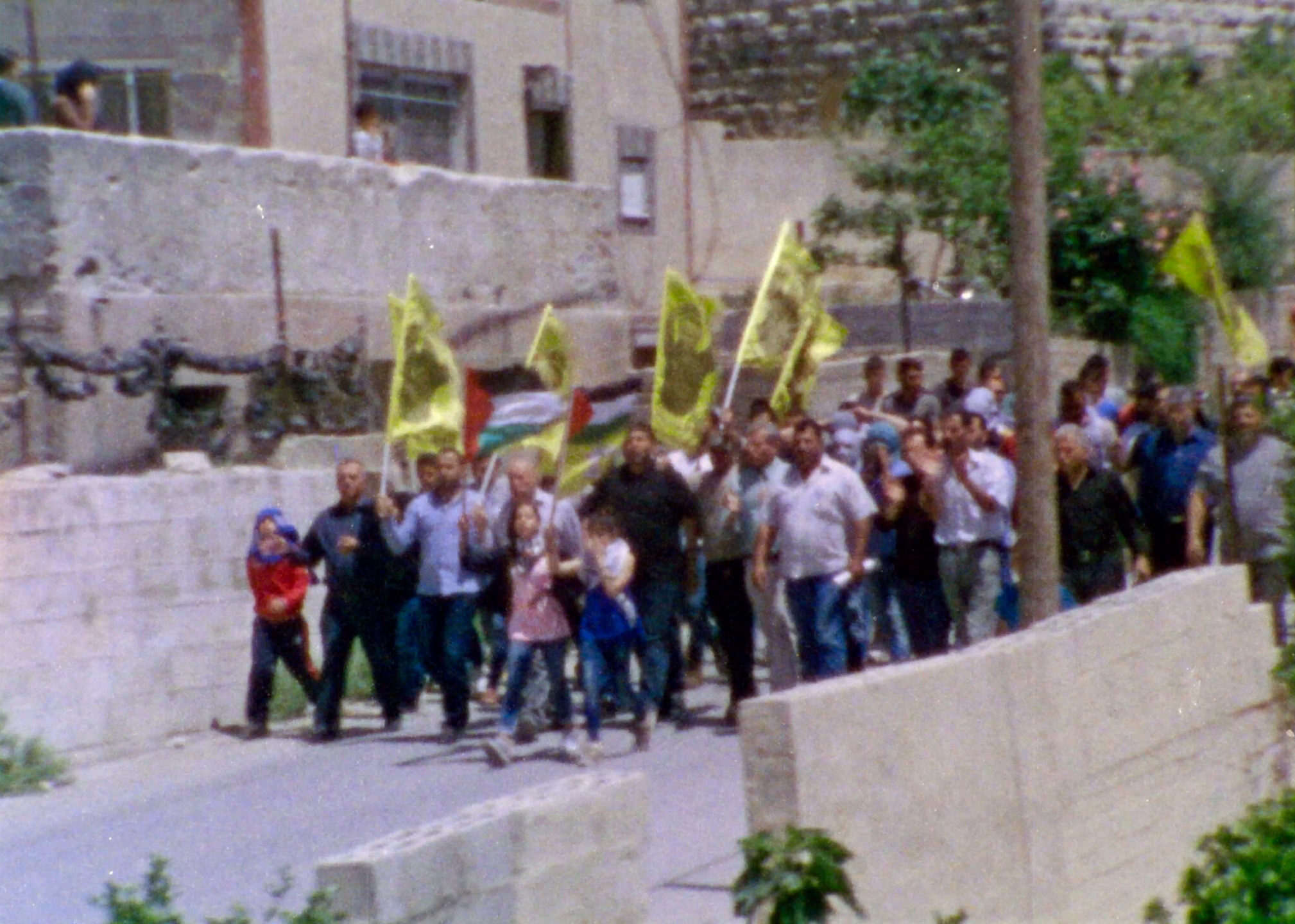
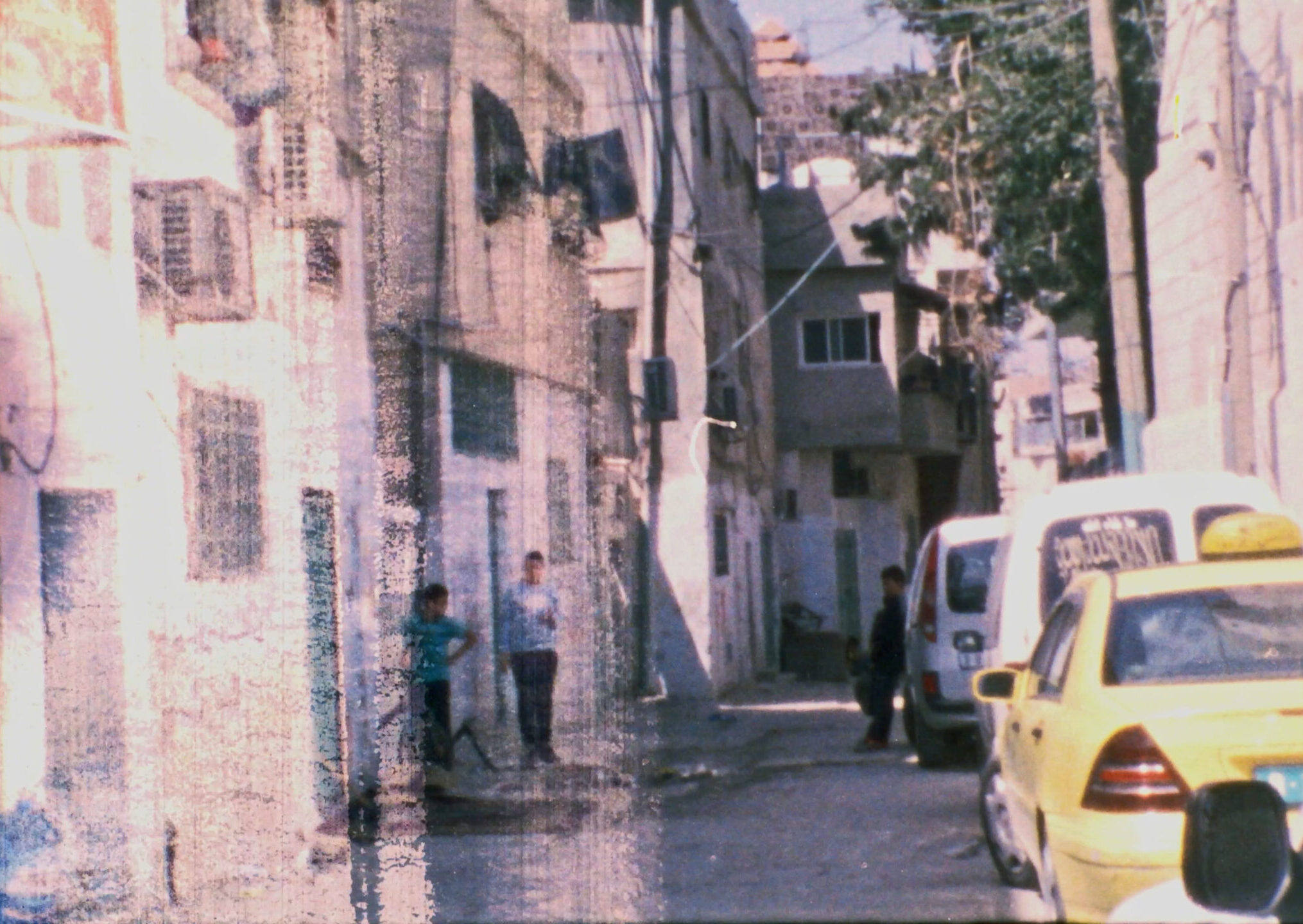
What begins as an inquiry into his paternal lineage soon expands to his mother’s side, a branch marked by the absence of images and archives. Confronted with this lack of references—or perhaps in search of anwsers—Rafael travels to Palestine, creating a new archive.  Working almost exclusively with Super 8 footage, the film juxtaposes images, temporalities, and family testimonies, creating a dreamlike narrative shaped by exile, resistance, and memory.

This emerging archive reveals the intertwined histories that shape both his personal story and a wider political reality.

Biography

Rafael Guendelman is a visual artist and filmmaker. Graduated in Art at the Universidad Católica and Master in Situated Practice at University College London. He has participated in the residencies ‘ZK/U’ in Germany, ‘Laznia’ in Poland and ‘Contested Desires’ in Italy and the UK. He has exhibited his work in different spaces, highlighting the Salvador Allende Solidarity Museum, Museum of Memory and Human Rights, Cultural Park of Valparaiso, Palais de Tokyo in France and Khalil Sakakini Cultural Center in Palestine. He is currently in post-production of his debut feature documentary Az Zeeb.

Statement

The film was born from the archives. In 2016, following the death of my paternal grandmother, I came across a collection of personal Super 8 films, Israeli propaganda, and hundreds of slides. Among them were scenes from my father’s childhood in Chile and Israel. I had always worked on the history of Palestine, my maternal family, and the Palestinians in Chile, so creating something from a Jewish-Israeli perspective was a challenge. These archives became a gateway to critically examine Israel and Zionism from a personal perspective.ù

I then began shooting on Super 8, including during a trip to Palestine in 2017. The footage became a kind of personal diary that echoed that of my grandparents. I was interested in mixing these new images with the archival material, making it difficult to tell whether they came from Chile, Palestine, or Israel, or even when they were filmed. From that mixture emerges something strange that interests me, as the archive becomes a creative and political possibility.

— Rafael Guendelman Hales

Archival materials

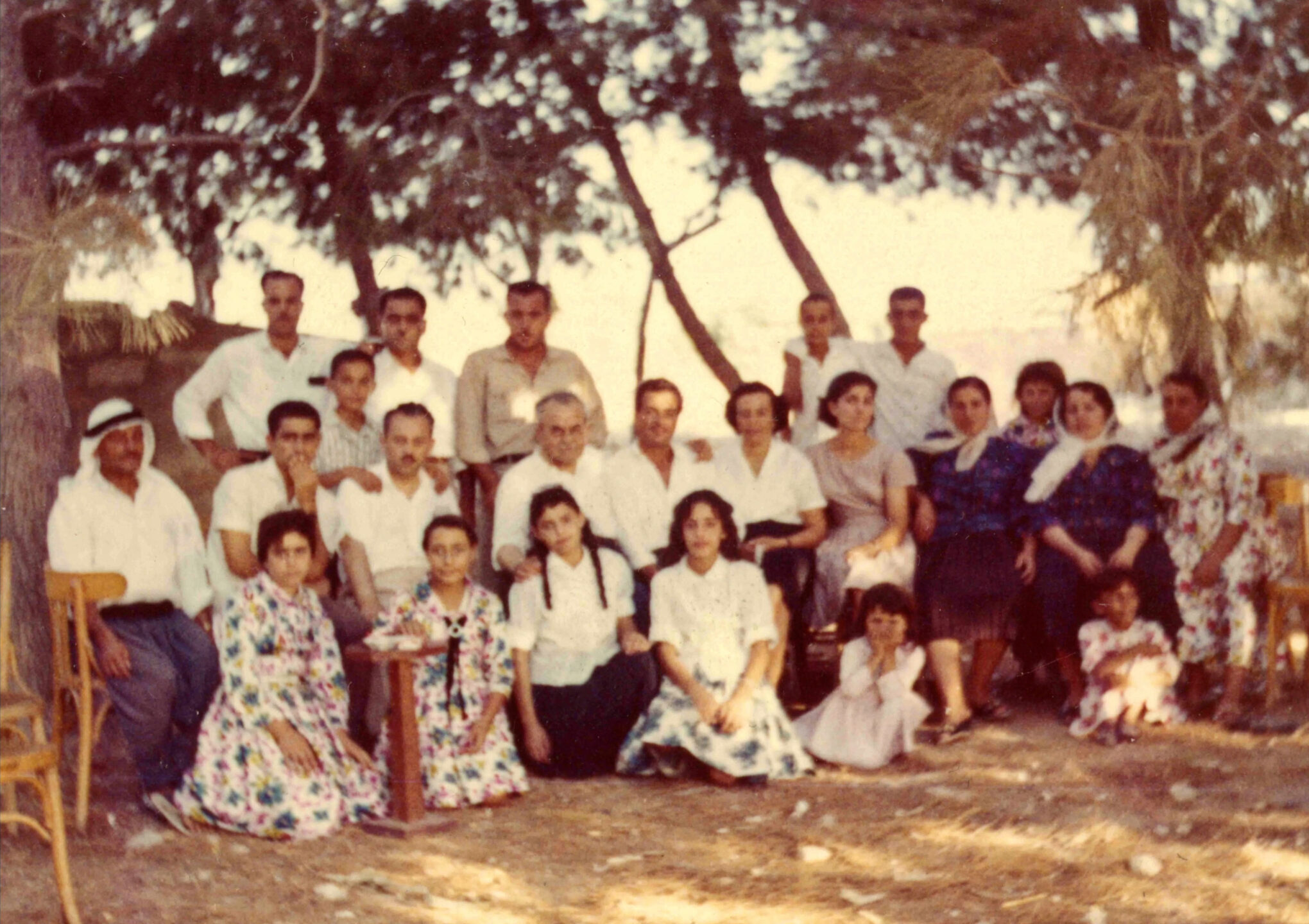
Family photographs and slides from both my maternal and paternal families (1960–1990).
Super 8 family archives from Chile, Palestine, and Israel (1960–1975).
Archive footage from Teleanálisis, an independent television program critical of the dictatorship (1985).
Various Israeli propaganda films on Super 8 from the first half of the 20th century.
Old maps of Palestine from before the Nakba (1880–1930).
“Ashirlak” (“I Will Sing to You”) by Kalaniot (1970).
“Jerusalén” by Yaffa Yarkoni, sung in Spanish (1969).
“I’m from Jerusalem” by Riad Awwad (1987).