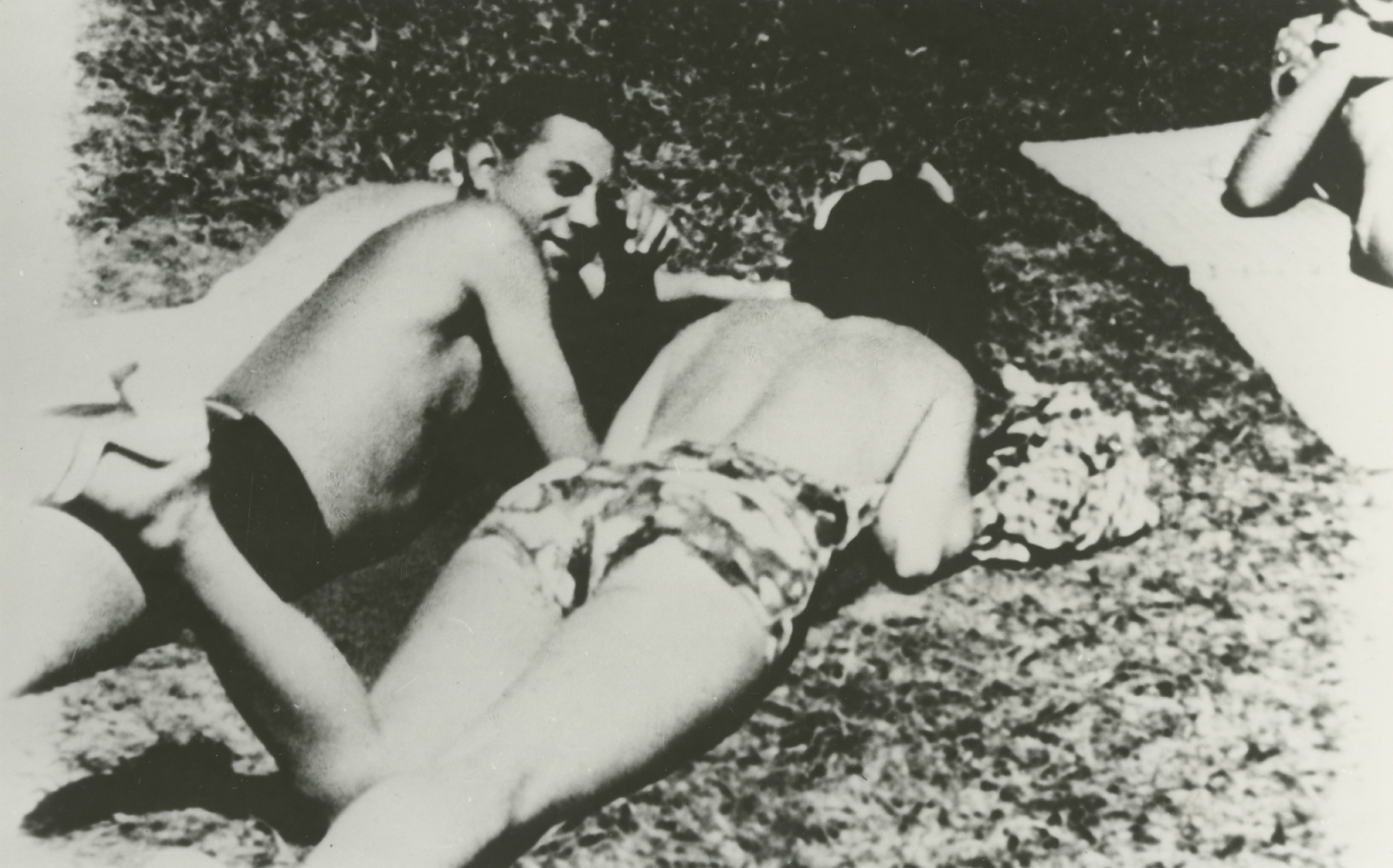
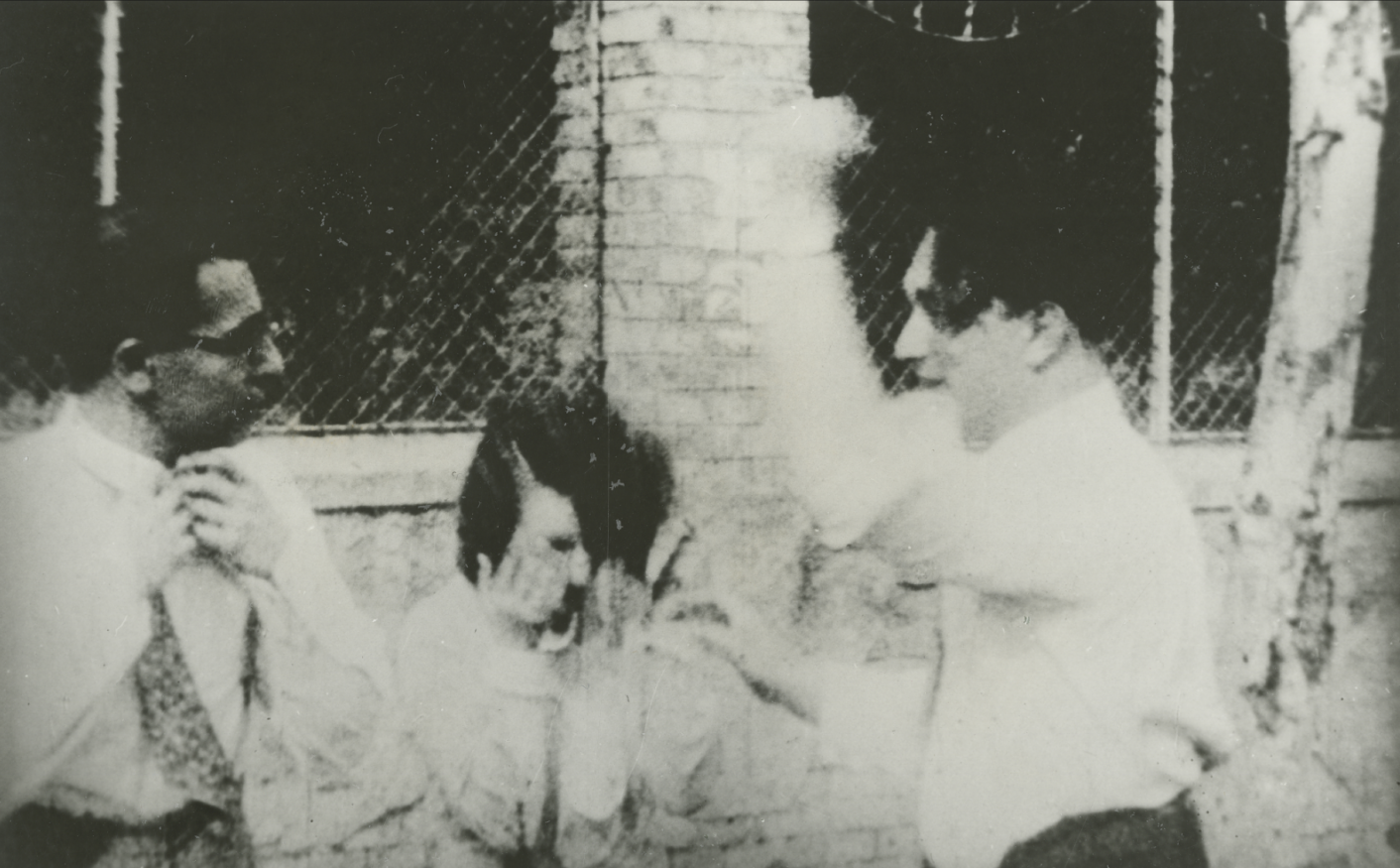
Private History is an experimental documentary by Gábor Bódy and Péter Tímár that explores Hungarian history through amateur home movies filmed between the two World Wars. The film presents a chronological montage of private footage showing everyday moments: family gatherings, holidays, children at play, and ordinary people posing, joking, or shyly avoiding the camera. As time progresses, both the technical quality of the recordings and the world surrounding the subjects change dramatically.
What makes the film particularly powerful is its contrast between personal memory and official history. The amateur filmmakers recorded what mattered to them: family life, celebrations, and moments of happiness. At the same time, the accompanying soundtrack summarizes the dominant public discourse of the period. By placing these two perspectives side by side, the filmmakers raise questions about how history is experienced, remembered, and interpreted.
Bódy and Tímár actively reshape the archival material through editing techniques such as slow motion, freeze frames, and the insertion of contemporary documentary footage. These interventions draw attention to seemingly insignificant details that gain historical significance in retrospect. The manipulated soundtrack further transforms the meaning of the images, encouraging viewers to reconsider both the everyday scenes and the larger historical narrative.
Produced at the Newsreel and Documentary Film Studio, Private History grew out of earlier experiments with archival footage and found-film techniques. The film demonstrates Bódy’s vision that private recordings and historical newsreels could be combined to create a unique “visual chronicle,” one that reveals history from below through the lives of ordinary people.